
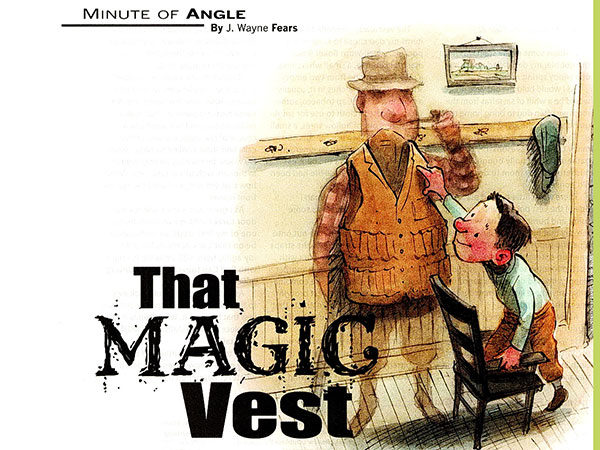
Editor’s note: At the 2016 SEOPA (Southeastern Outdoor Press Association) Annual Conference in Lakeland, Florida, this story, entitled THE VEST by J. Wayne Fears, was awarded first place in the SEOPA Excellent in Craft – Magazine Short Story category. The story was originally published in GunHunter magazine
Many times on bitter-cold morning rabbit hunts, my dad would reach into the vest and pull out biscuits with chunks of country ham in them. I never saw him put them in the vest.
It hung on a nail on the back porch always ready. As far back as I can remember it was old looking, a little thread bare in places, faded from years of being used in all kinds of weather. I’m sure it started out a brown color, but since my dad used the old Montgomery Ward hunting vest for all his hunts it now looks more a dirty tan than brown.
The old vest had a smell about it that, to me, had a smell of adventure. It was a blend of odors – a mixture of sweat, dried possum blood, squirrel hair, sassafras root, fresh cedar, shot shell powder and Red Cap pipe tobacco as my dad smoked a crooked stem pipe loaded with the Brazilian tobacco most of every day. Many said that smoking that strong tobacco would kill him and I guess it did as he died one winter morning when he was 97, after knocking the ashes out of his pipe.
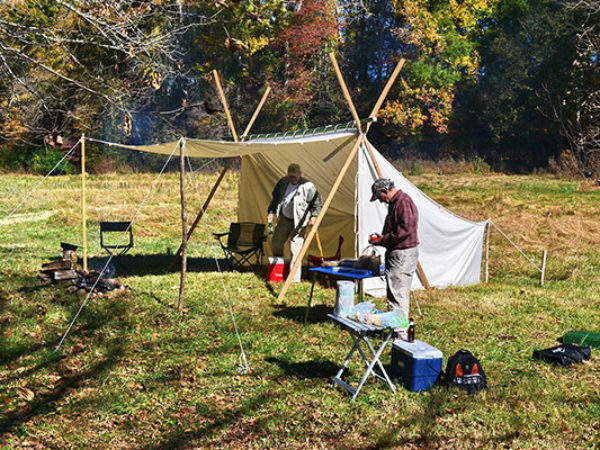
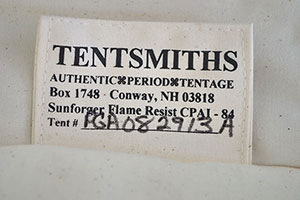 Baker Tentsmiths[/caption]First about the name and how it came about. According to my research, the name “baker tent” was most likely given to the tent sometime back in the 1800’s. Many logging and survey camps back in those early days used the “Yankee baker oven”, reflector oven as it is called today, to cook meals for hungry work crews and since the tents they used had the same profile soon the tents were called “baker tents”. The name stuck and today most still call this style tent the baker tent.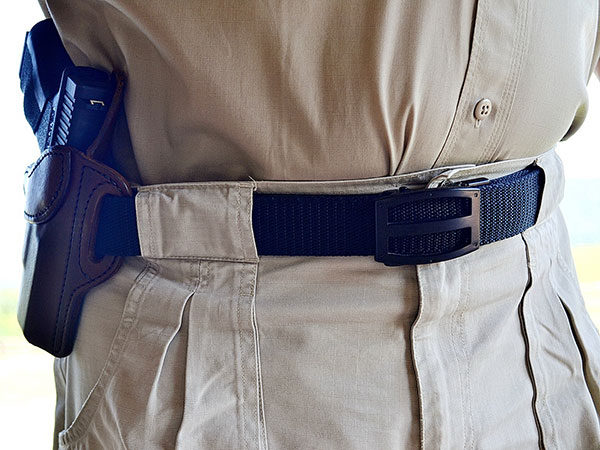
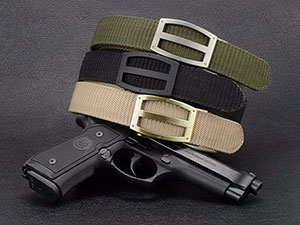 The Nexbelt, known as the “belt with no holes”, we have found is an excellent concealed carry belt as well as a causal wear belt off the range. It is unique in several ways. It is made from a high tech nylon webbing that is stiff enough to carry a loaded 1911 tight to the body all day comfortable. Part of this comfort is because of the belts ¼-inch increment adjustments. It comes in a 50-inch length. To fit it to your body correctly just add four inches to your normal waist size and take scissors and cut off the extra length. Hash marks with inches are printed on the inside of the belt. Take the cut end of the belt and secure it into the buckle. Where holes would be in other belts a line of hard plastic angled teeth are set ¼-inch apart inside the belt and when run through the belts buckle you stop at the desired tightness. It guarantees a secure and snug fit. To loosen or remove the belt the buckle has a small release that is pressed to free the teeth from the buckle ratchet.
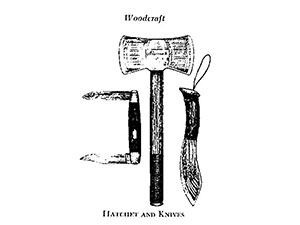 George Washington Sears, aka Nessmuck 1821- 1890. Nessmuck best known as being America’s first outdoor writer. He wrote for Forest & Stream magazine and was the author of the book Woodcraft & Camping which is still in print today. He is famous for his “trinity of cutting tools” which consisted of a small double-bit hatchet, a belt knife which he designed and a moose-style pocket knife with spey and clip blades.
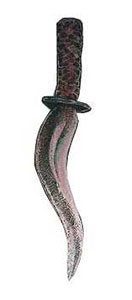 Ben Lilly 1856 – 1936. Lilly was a woods wanderer from an early age. He became best known as a hunter of large predators in the southwestern US and northern Mexico. His favorite knife was a large S-shaped double edge bowie knife he made for “sticking big cats and bears.” His camp knife was a more traditional Green River style blade with an antler handle.
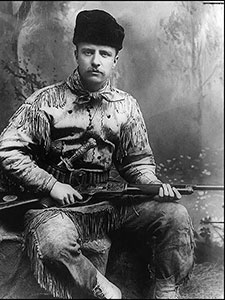 Teddy Roosevelt 1858 – 1919. Roosevelt is best known as the hero of San Juan Hill and the 26th President of the U.S. However Roosevelt was a seasoned outdoorsman and wrote several books on hunting and the outdoor life. During his cowboy days in the Dakota Territory and his early big game hunts his knife choice was a large silver inlayed Bowie knife made by Tiffany & Co. in 1884. In 1907 it seems he switched to a Marble’s knife designed by Roosevelt’s friend and fellow big game hunter Dall DeWeese.