A Licensed Product of the Boy Scouts of America
More than 200 Essential Skills for Staying Warm, Building a Shelter, and Signaling for Help
J. Wayne Fears
Prepared. For Life.®
In The Scouting Guide to Survival (November 6, 2018), current Scouts, Scout alumni, and readers interested in the outdoors are provided with time-tested advice on emergency preparedness. Some practical tips include:
-
 How to build a fire
- How to purify water
- How to signal for help
- How to build simple shelters
- How to survive in different environments
- How to practice survival first aid
- And so much more!
Since 1910, the Boy Scouts of America has helped build the future leaders of this country by combining educational activities and lifelong values with fun. The BSA is committed to training youth in responsible citizenship, character development, and self-reliance through participation in a wide range of outdoor activities.
J. Wayne Fears grew up in the outdoors, as his father was a trapper. He earned the BSA rank of Eagle Scout at the age fourteen. As an adult scouter, he served for two years as the advisor to an Explorer Post that specialized in wilderness survival. He has taught wilderness survival to Boy Scout troops and BSA leaders and has served many years as a wilderness survival merit badge counselor. He received survival training both from the Army and Air Force. This is his third book on survival. He is one of America’s most prolific outdoor writers with thirty-four books and over 6200 magazine articles published. In 2012 he was inducted into the Legends of the Outdoors National Hall of Fame. He resides in Tater Knob, Alabama.
To request an excerpt or to arrange an interview with the author, please contact:
Ronnie Alvarado / (212) 643-6816 x 274 / valvarado@skyhorsepublishing.com
The Scouting Guide to Survival: More than 200 Essential Skills for
Staying Warm, Building a Shelter, and Signaling for Help by J. Wayne Fears
Skyhorse Publishing paperback, also available as an e-book | On Sale: November 6, 2018
ISBN 978-1-5107-3774-7| $16.99
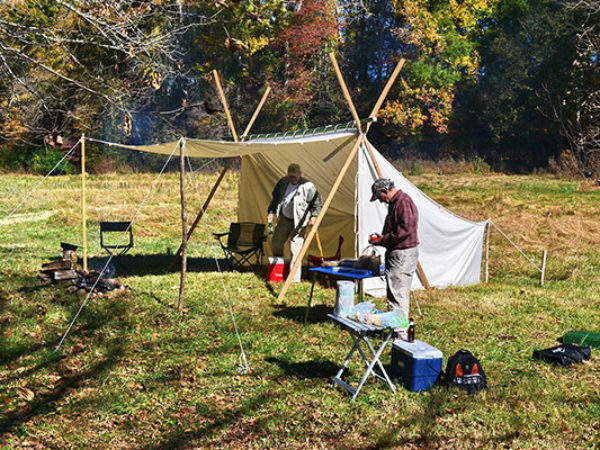
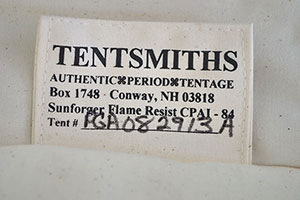 Baker Tentsmiths[/caption]First about the name and how it came about. According to my research, the name “baker tent” was most likely given to the tent sometime back in the 1800’s. Many logging and survey camps back in those early days used the “Yankee baker oven”, reflector oven as it is called today, to cook meals for hungry work crews and since the tents they used had the same profile soon the tents were called “baker tents”. The name stuck and today most still call this style tent the baker tent.
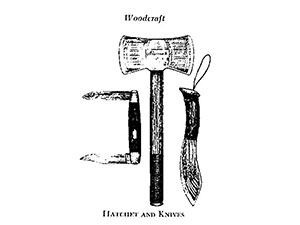 George Washington Sears, aka Nessmuck 1821- 1890. Nessmuck best known as being America’s first outdoor writer. He wrote for Forest & Stream magazine and was the author of the book Woodcraft & Camping which is still in print today. He is famous for his “trinity of cutting tools” which consisted of a small double-bit hatchet, a belt knife which he designed and a moose-style pocket knife with spey and clip blades.
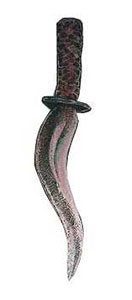 Ben Lilly 1856 – 1936. Lilly was a woods wanderer from an early age. He became best known as a hunter of large predators in the southwestern US and northern Mexico. His favorite knife was a large S-shaped double edge bowie knife he made for “sticking big cats and bears.” His camp knife was a more traditional Green River style blade with an antler handle.
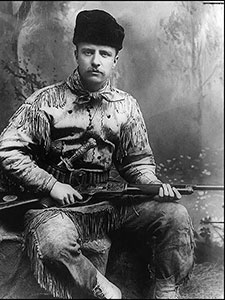 Teddy Roosevelt 1858 – 1919. Roosevelt is best known as the hero of San Juan Hill and the 26th President of the U.S. However Roosevelt was a seasoned outdoorsman and wrote several books on hunting and the outdoor life. During his cowboy days in the Dakota Territory and his early big game hunts his knife choice was a large silver inlayed Bowie knife made by Tiffany & Co. in 1884. In 1907 it seems he switched to a Marble’s knife designed by Roosevelt’s friend and fellow big game hunter Dall DeWeese.